

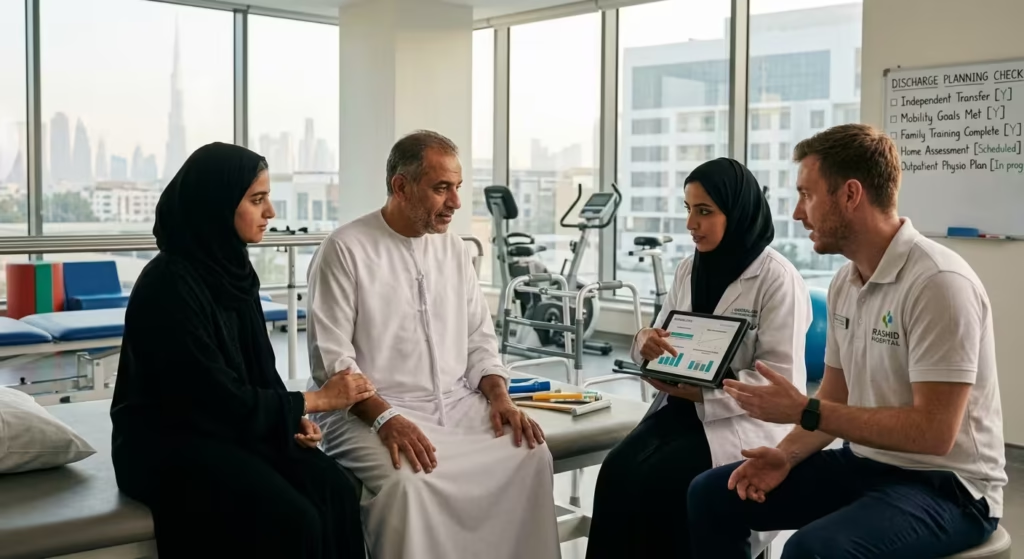
The transition from a long term hospital ward to the next phase of recovery is one of the most emotional, complex, and critical milestones a family will ever navigate. Following a stroke, the brain scrambles to find its footing, and the clock immediately starts ticking on neuroplasticity the brain’s natural, remarkable ability to rewire itself and form new neural pathways around damaged areas.
For weeks, the hospital environment provides a structured safety net. There are specialized beds, round-the-clock medical monitoring, and a team of clinical specialists nearby. However, there comes a point where staying in an institutional setting starts to yield diminishing returns. True physical independence cannot be mastered in a sterile hospital corridor; it has to be reclaimed in the real world, starting in your own living room, your kitchen, and your hallway.
So, how do you know when it is clinically safe, logistically viable, and strategically smart to transition a loved one from inpatient care to a personalized home program?
When looking at the landscape of stroke rehabilitation in dubai, families often wonder when the right moment is to step away from the hospital ward. At Yad Al Amal Home Healthcare Center, we specialize in managing this exact transition. Moving your recovery home is a decision that requires a careful balance of medical stability, practical home preparation, and structured therapeutic planning.
The Clinical Readiness Checklist: What Must Be Stable First?
Before discharging a patient from inpatient rehabilitation, the medical team and the family must evaluate several key areas of safety and stability. Home-based therapy is incredibly effective, but starting it too early or too latecan impact the recovery trajectory.
Here is what our clinical teams look for to ensure a patient is fully ready to transition home:
1. Medical and Neurological Stability
The most fundamental requirement is that the survivor’s vital signs must be consistently stable. Their blood pressure must be well-controlled, and any secondary medical complications, such as severe cardiac irregularities or acute respiratory issues, must be resolved. The patient should be safely transitioned from intravenous (IV) medications to a regular oral schedule that a family member or a home nurse can manage.
2. Basic Transfer and Mobility Benchmarks
The patient does not need to be walking independently to go home. In fact, retraining a safe walking pattern is a primary focus of structured clinical therapy. However, they must be able to perform basic, assisted transfers. This means they can safely transition from a lying position to sitting on the edge of the bed, and move from the bed to a wheelchair with the assistance of one or two people using proper transfer techniques. This is where specialized stroke physical therapy at home dubai bridges the gap.
3. Cognitive Status and Safety Awareness
While cognitive changes are common after a stroke, the patient must be able to follow basic, simple commands to participate safely in therapy. If a patient is experiencing extreme, acute agitation or confusion, they may still require a highly controlled hospital setting. Once they can engage and cooperate with a therapist for short intervals, they are prime candidates for home care.
4. Clear Airway and Swallowing Safety
Dysphagia (difficulty swallowing) is a very common post-stroke complication that carries a serious risk of silent aspiration and pneumonia. Before returning home, the patient’s swallowing ability must be thoroughly evaluated by a speech-language therapist, and a safe dietary plan (such as pureed foods or thickened liquids) must be clearly established.
Important Stroke Recovery Related Questions by Families
To help local families make informed choices during this transition, we have compiled and answered the most frequent questions searched by residents across the UAE.
Q: How soon should stroke rehabilitation in dubai begin after a patient is discharged?
A: Ideally, within 24 to 48 hours of arriving home. The brain’s natural window of heightened neuroplasticity is most active in the first three to six months following a stroke, which is why starting early with professional stroke rehabilitation in dubai is so critical. Any prolonged gaps in active therapy can cause newly formed neural pathways to weaken, slowing down overall progress. Coordinating your home-based team prior to hospital discharge ensures that your intensive therapy sessions continue without interruption.
Q: How often do therapists recommend post stroke therapy dubai sessions at home?
A: During the initial, high-recovery phase (the first 12 weeks post-discharge), we typically recommend intensive therapy sessions 3 to 5 times per week. This high frequency provides the repetitive, task-specific stimulation the brain needs to rebuild muscle control and coordination, making a coordinated plan for post stroke therapy dubai essential for long-term recovery. As the survivor builds strength and gains functional independence, the frequency can be gradually stepped down to a maintenance schedule of 1 to 2 visits per week.
Q: Is stroke physical therapy at home dubai covered by standard insurance?
A: Yes, in many cases, though it depends heavily on your specific policy and medical necessity. Most premium and comprehensive health insurance plans in Dubai cover home physical therapy if a specialist (such as a neurologist or orthopedic surgeon) explicitly documents that traveling to an outpatient clinic presents a physical hazard or severe hardship for the patient. Setting up structured stroke physical therapy at home dubai allows the survivor to train safely while our team assists you with the necessary clinical documentation for your insurer.
Reality of Preparing the Home for a Stroke Survivor
When transitioning a loved one home, the physical layout of your residence plays a massive role in their safety and daily progress. A standard home environment often contains hidden challenges that can complicate movement for someone recovering from hemiplegia (weakness or paralysis on one side of the body).
Our specialized clinical team recommends prioritizing these key home modifications before your first session of home therapy:
- Secure the Pathways: Remove loose rugs, electrical cords, and low coffee tables from primary walking paths to minimize any risk of trips or slips.
- Supportive Bathroom Upgrades: Install sturdy, professional-grade grab bars near the toilet and inside the shower area. Utilizing a non-slip shower chair can also make daily hygiene routines much safer and less exhausting.
- Optimized Lighting: Ensure hallways and pathways between the bedroom and bathroom are brightly lit, especially for nighttime use, to assist with spatial awareness and balance.
- Ergonomic Seating: Provide a firm, high-backed armchair with solid armrests. Soft, deep sofas can make standing up incredibly difficult and frustrating for someone with one-sided weakness.
Our team specializes in designing targeted post stroke therapy dubai plans that integrate directly with these home modifications, turning your everyday environment into a functional rehabilitation space.
The Yad Al Amal Step-by-Step Home Onboarding Guide
To ensure a smooth transition from hospital care to home recovery, our clinical and administrative departments follow a highly structured, patient-centered process.
1.Clinical Handover and Multidisciplinary Review: — Hospital Collaboration.
Our senior clinical coordinator communicates directly with your hospital discharge team. We review your medical charts, current mobility metrics, and therapy progress to ensure your home care plan aligns perfectly with your hospital care.
2.Environmental Safety Audit and Equipment Setup: — Home Audit.
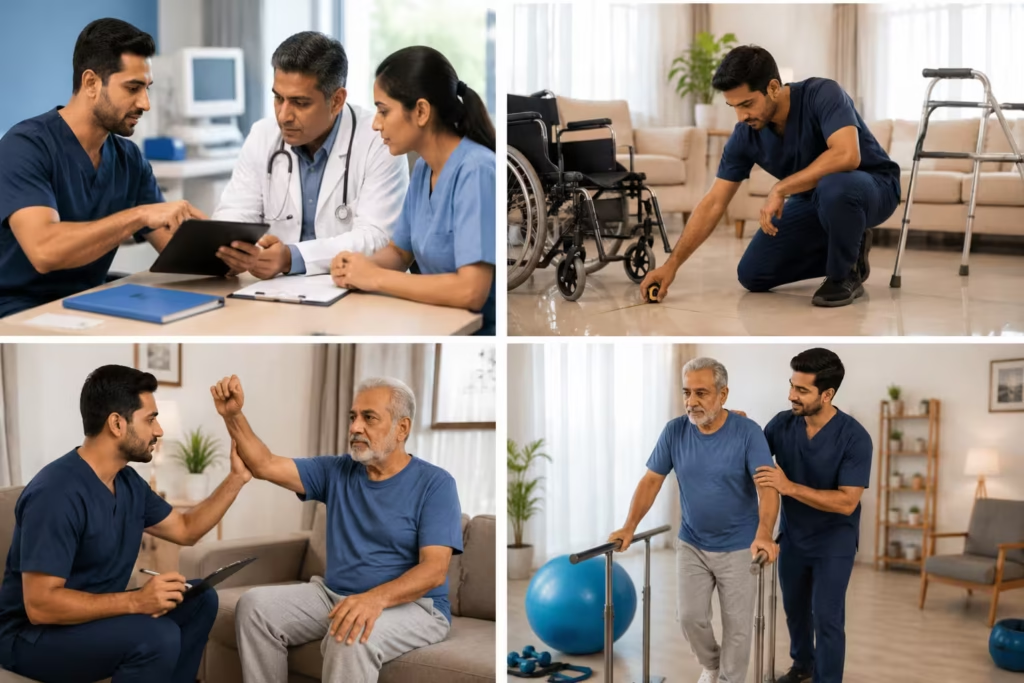
A senior therapist visits your residence to conduct a comprehensive safety assessment. We identify potential hazards, recommend necessary modifications, and coordinate the delivery of required mobility aids like hospital beds, walkers, or wheelchairs.
3.First In-Home Neuro Assessment & Goal Setting: — Baseline Visit.
We conduct a thorough home-based assessment of your joint range of motion, muscle tone, balance, and cognitive state. We work closely with the patient and family to set realistic, motivating recovery goals.
4.Customized Post-Stroke Therapy Program Begins: — Physiotherapy session onset.
Your dedicated physical therapist begins home visits at the recommended frequency, focusing on functional mobility, strength, and balance. We continuously monitor your progress, adjusting exercises as your movement improves.
Why a Personalized Home Setting Boosts Neuroplasticity
While hospitals are excellent for acute medical crises, they can sometimes feel isolating and repetitive. Recovering in a familiar home environment provides unique therapeutic benefits that are difficult to replicate in a clinical gym:
- Context-Specific Practice: Relearning how to make a cup of tea in your actual kitchen or practicing transfers on your own bed carries a much higher functional value than practicing on abstract clinic equipment.
- Reduced Sensory Exhaustion: Healing brains fatigue easily. The quiet, comfortable atmosphere of your own home eliminates the noisy distractions of a busy hospital ward, allowing you to focus completely on your physical exercises.
- Active Family Involvement: Home care naturally brings family members and caregivers into the daily recovery process. Our therapists actively train family members in safe transfer techniques and daily home exercises, creating a supportive environment that encourages continuous progress between professional visits.
Empowering Your Recovery Path
A stroke changes life in an instant, but it does not define the limits of your future mobility. Choosing an expert home program allows you to skip the physical strain of regular travel, protect your healing body, and receive dedicated, one-on-one specialist care tailored directly to your life.
Yad Al Amal Home Healthcare Center is here to guide your family through this transitional chapter with clinical expertise, safety, and genuine support. We focus on building a reliable, structured path toward independence, helping your loved one reclaim their strength and mobility one steady step at a time.
Contact our dedicated medical coordination team at +971525501508 today to arrange your comprehensive pre-discharge consultation and home safety evaluation.